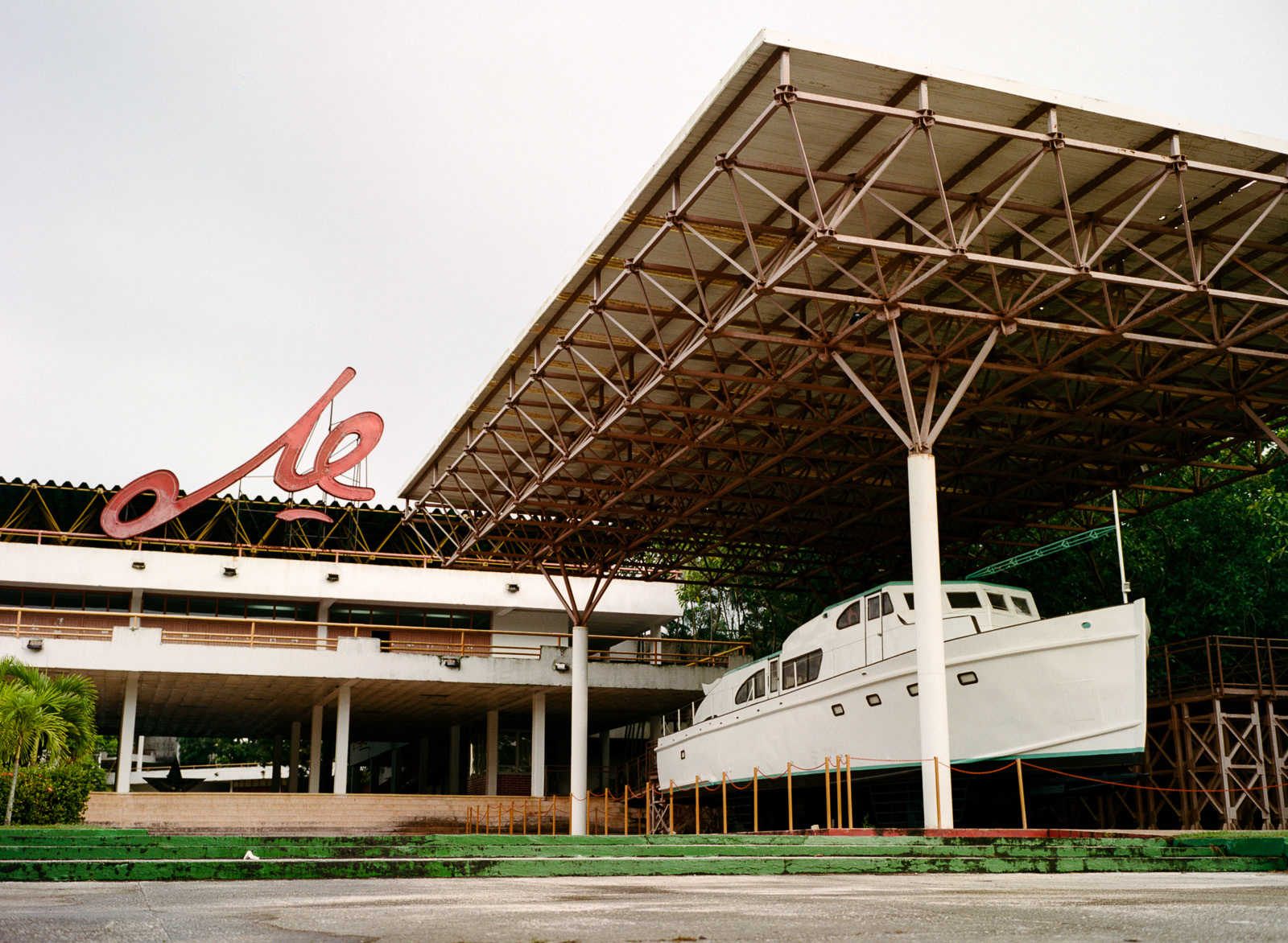
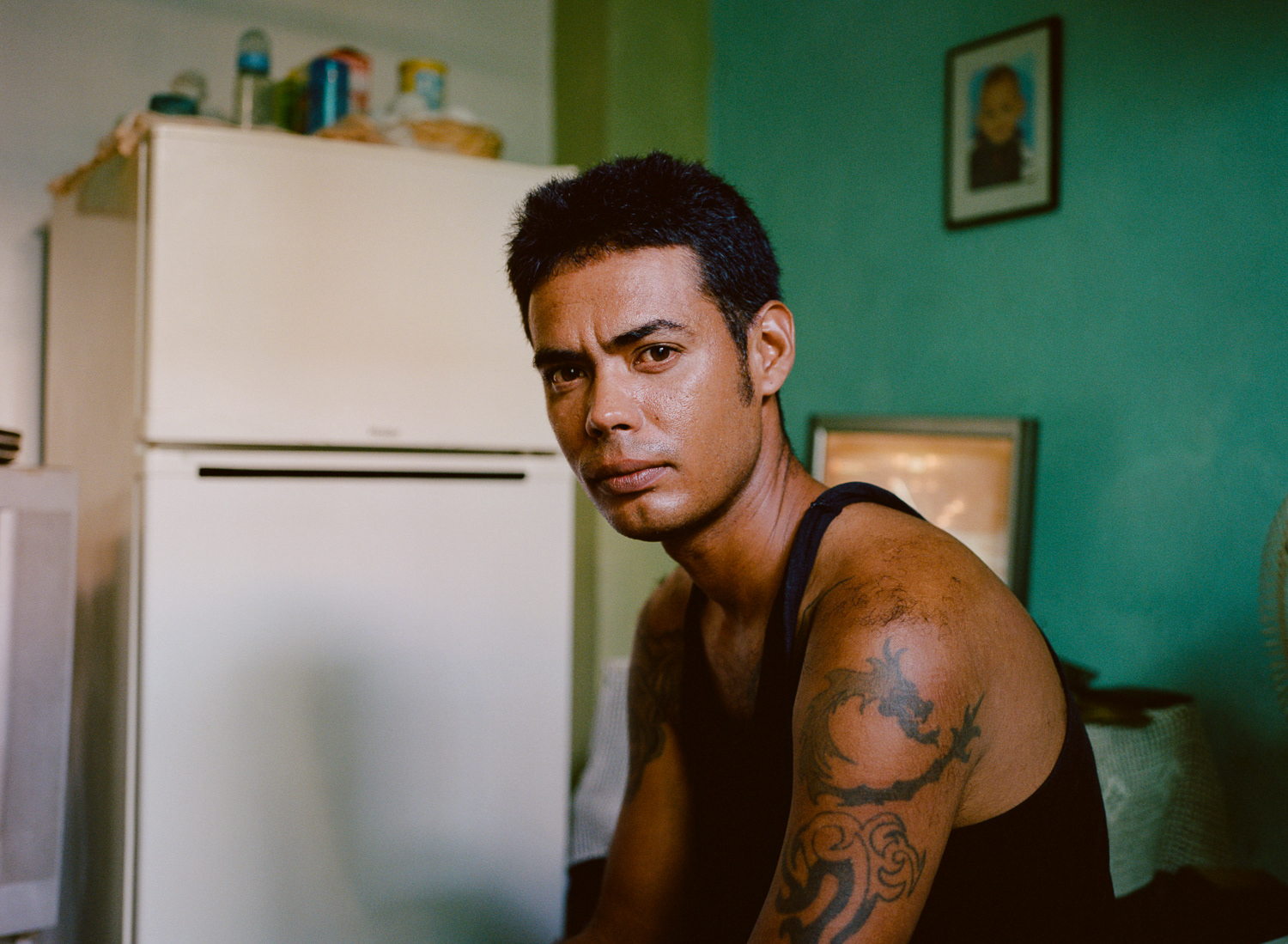
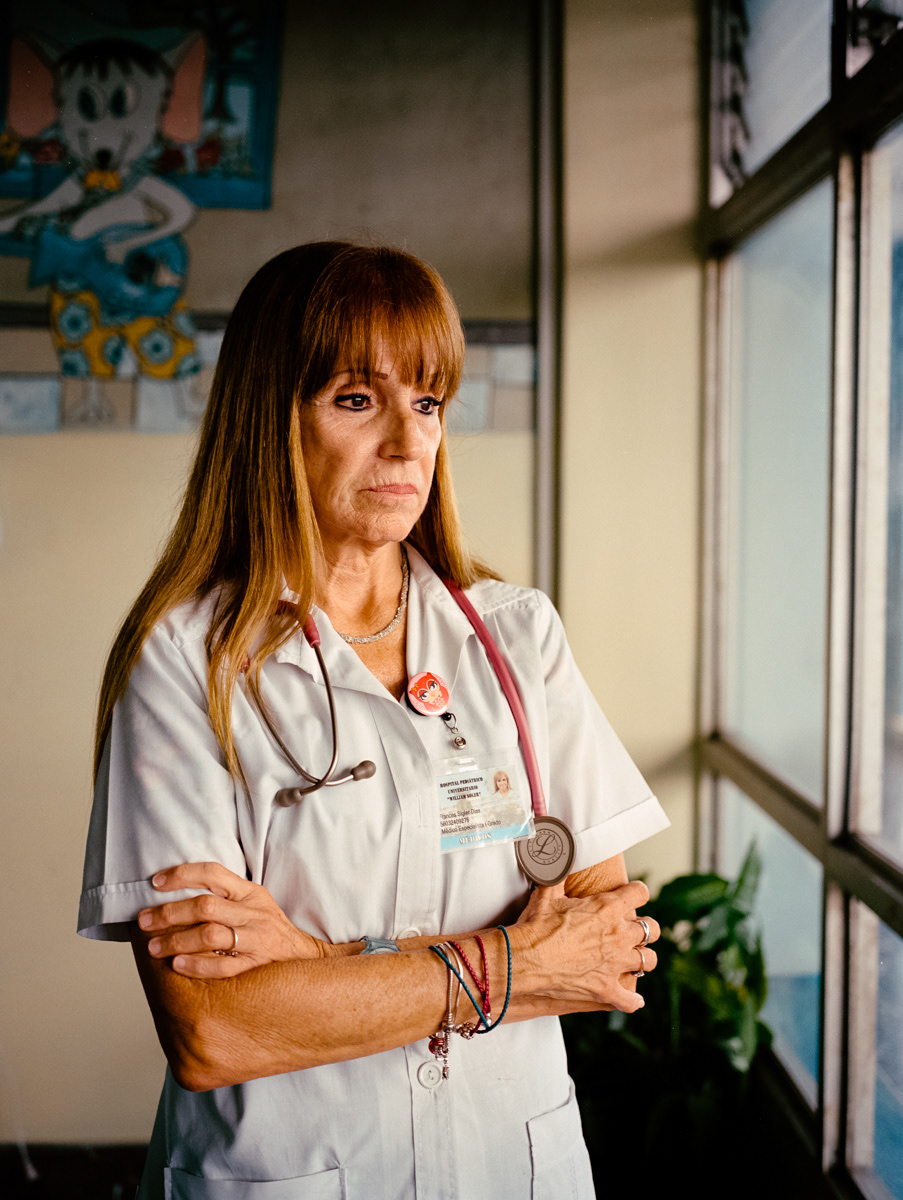
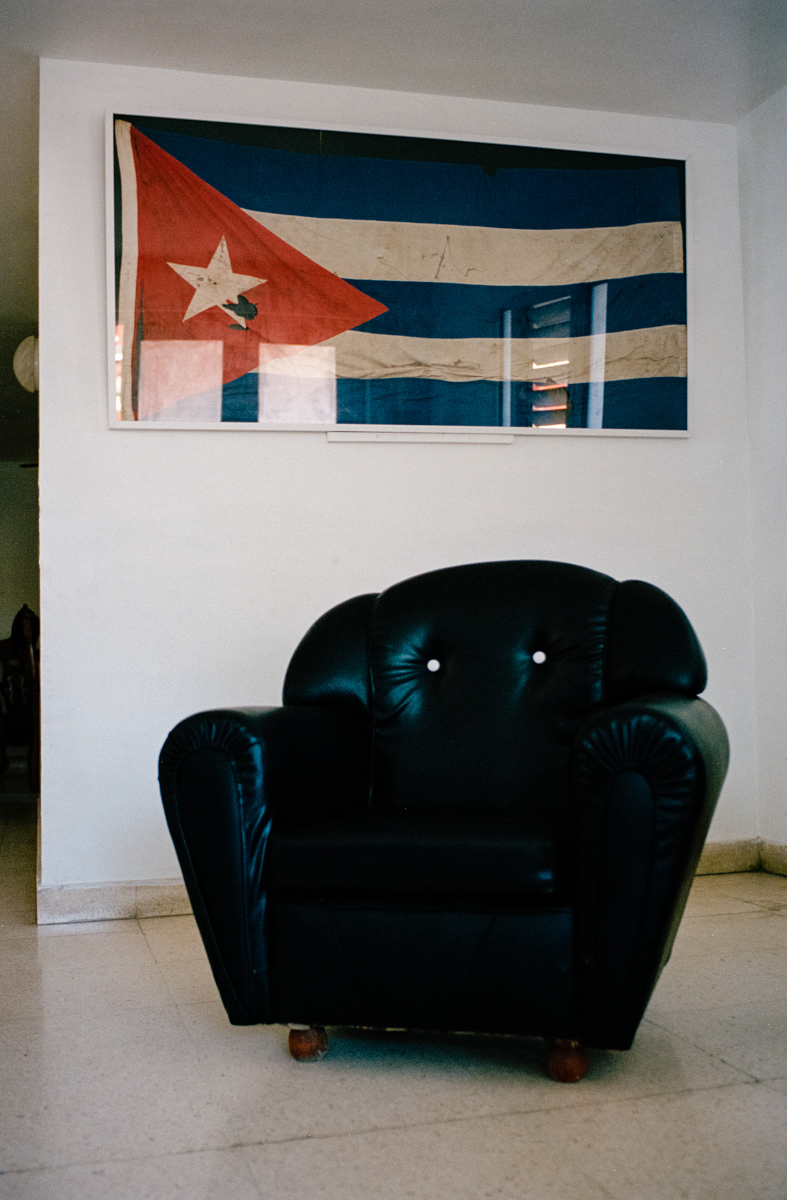
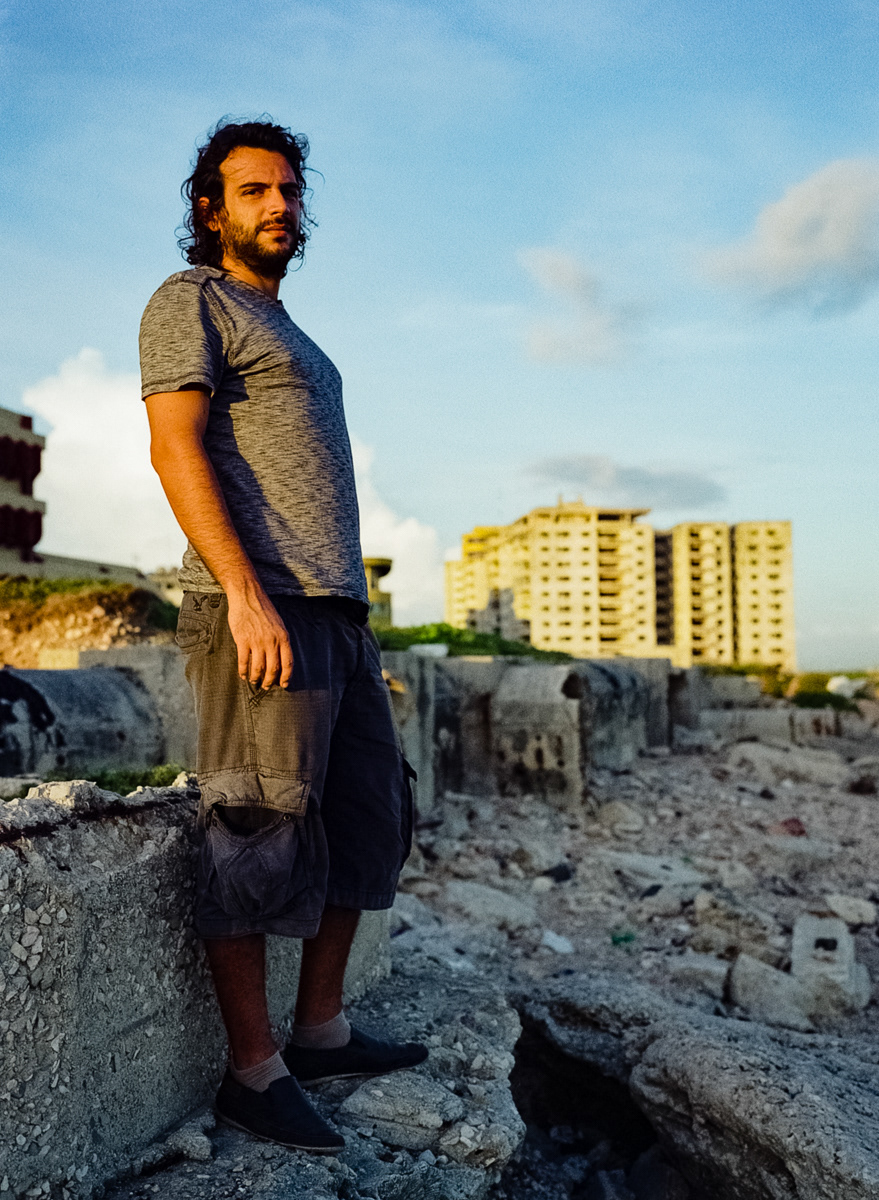
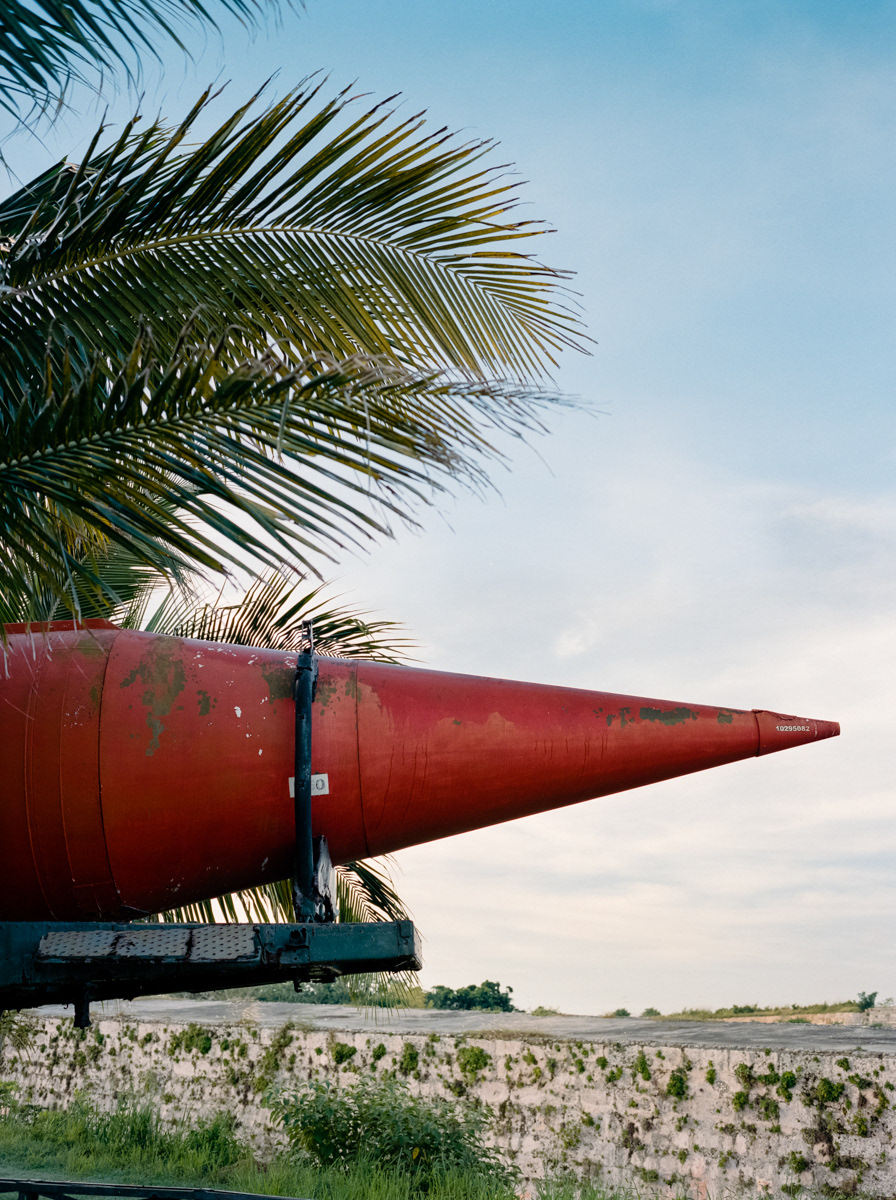
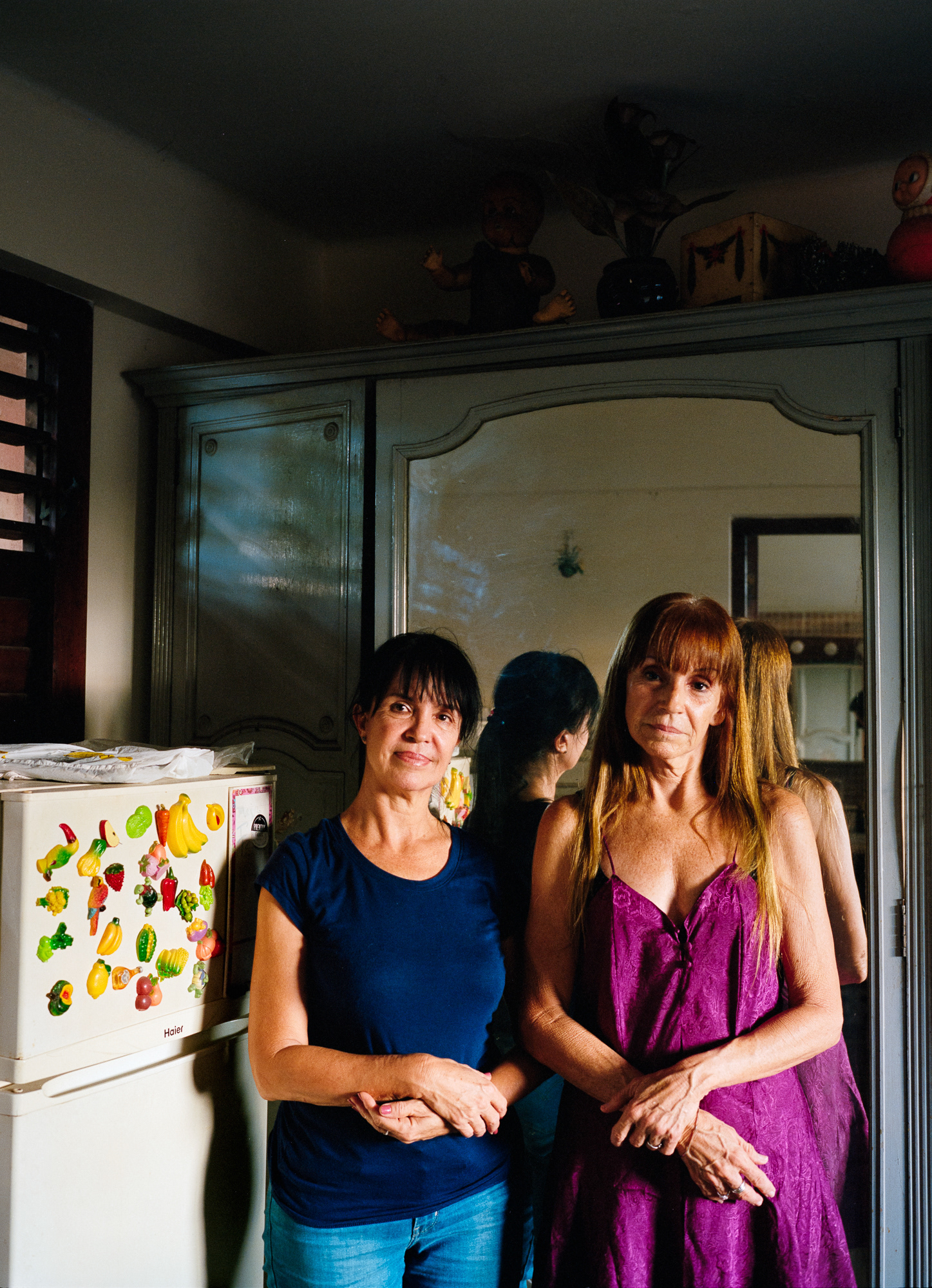
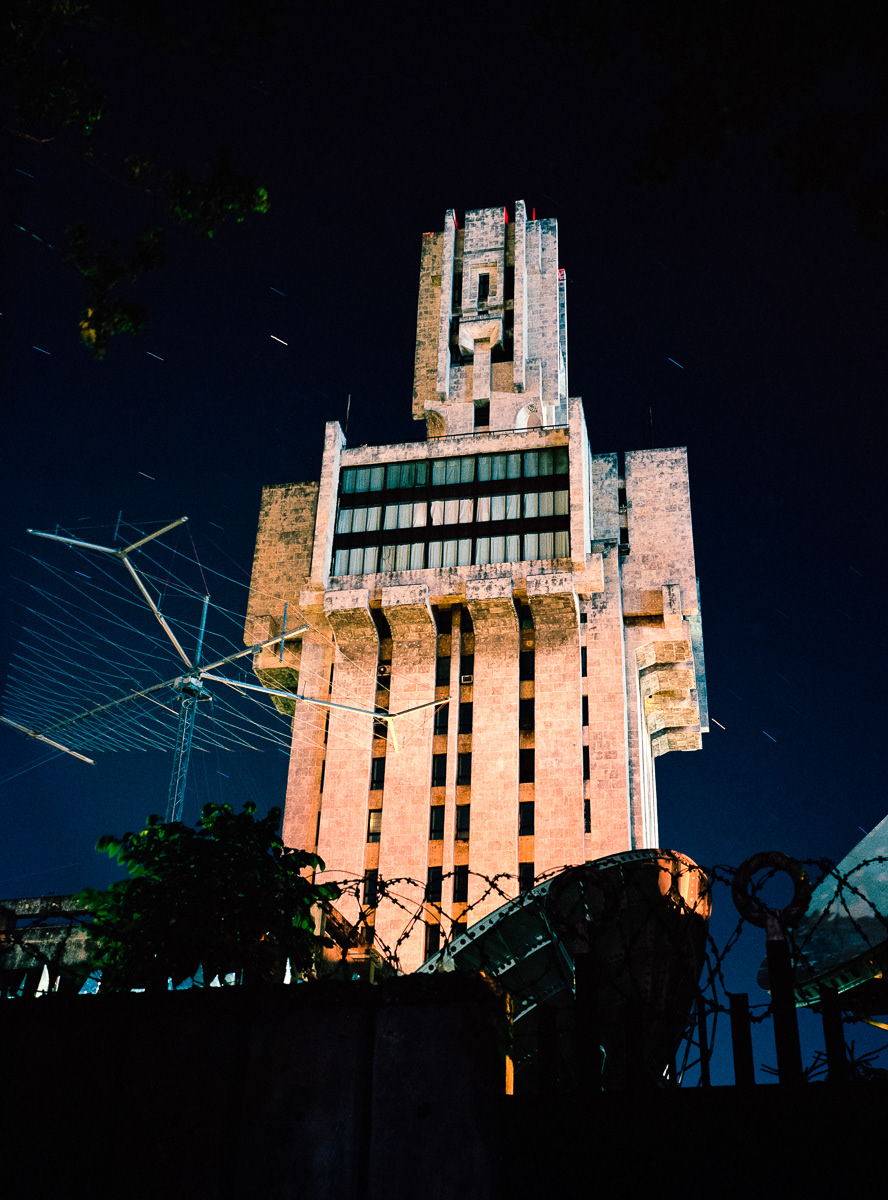
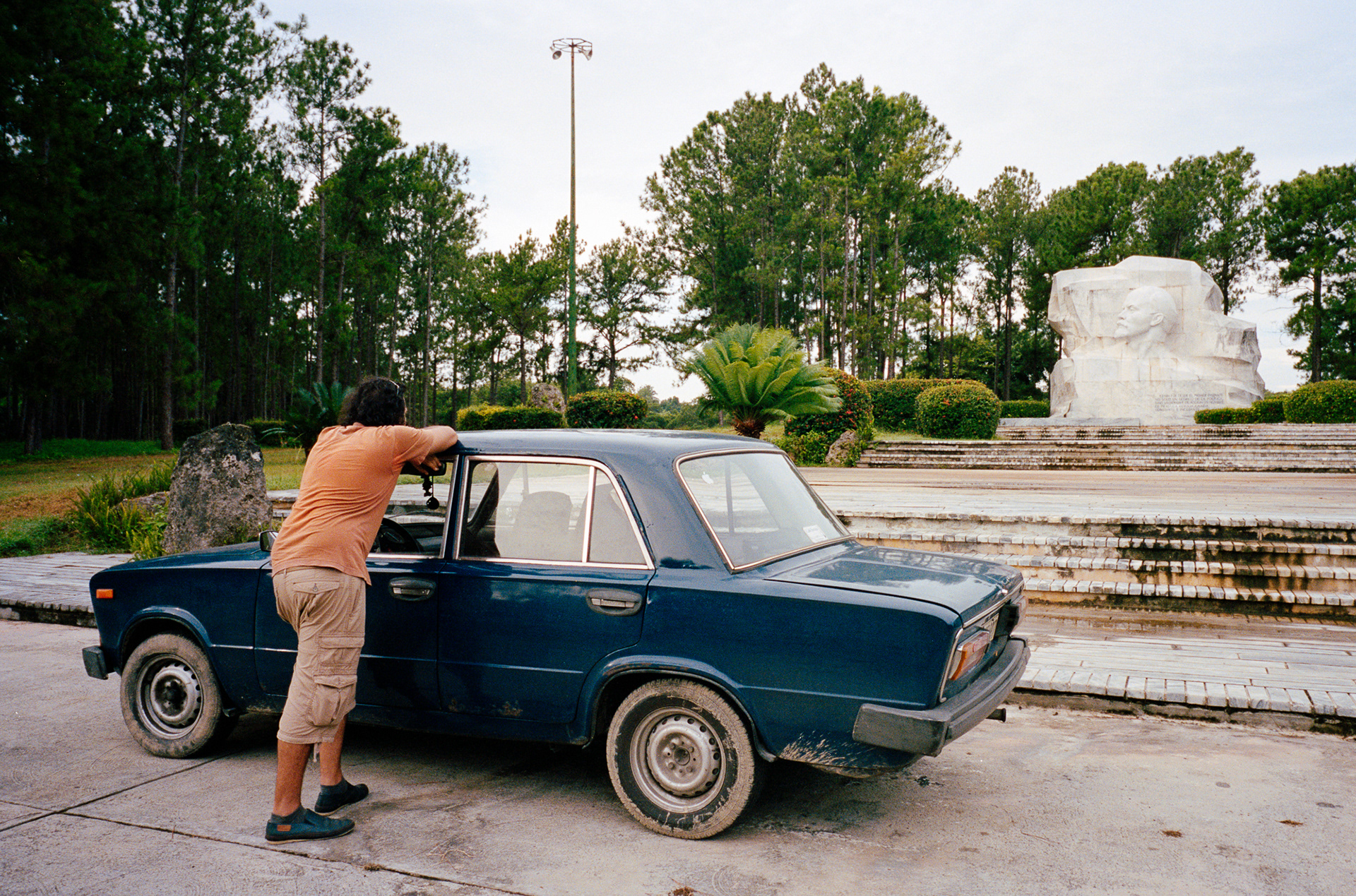
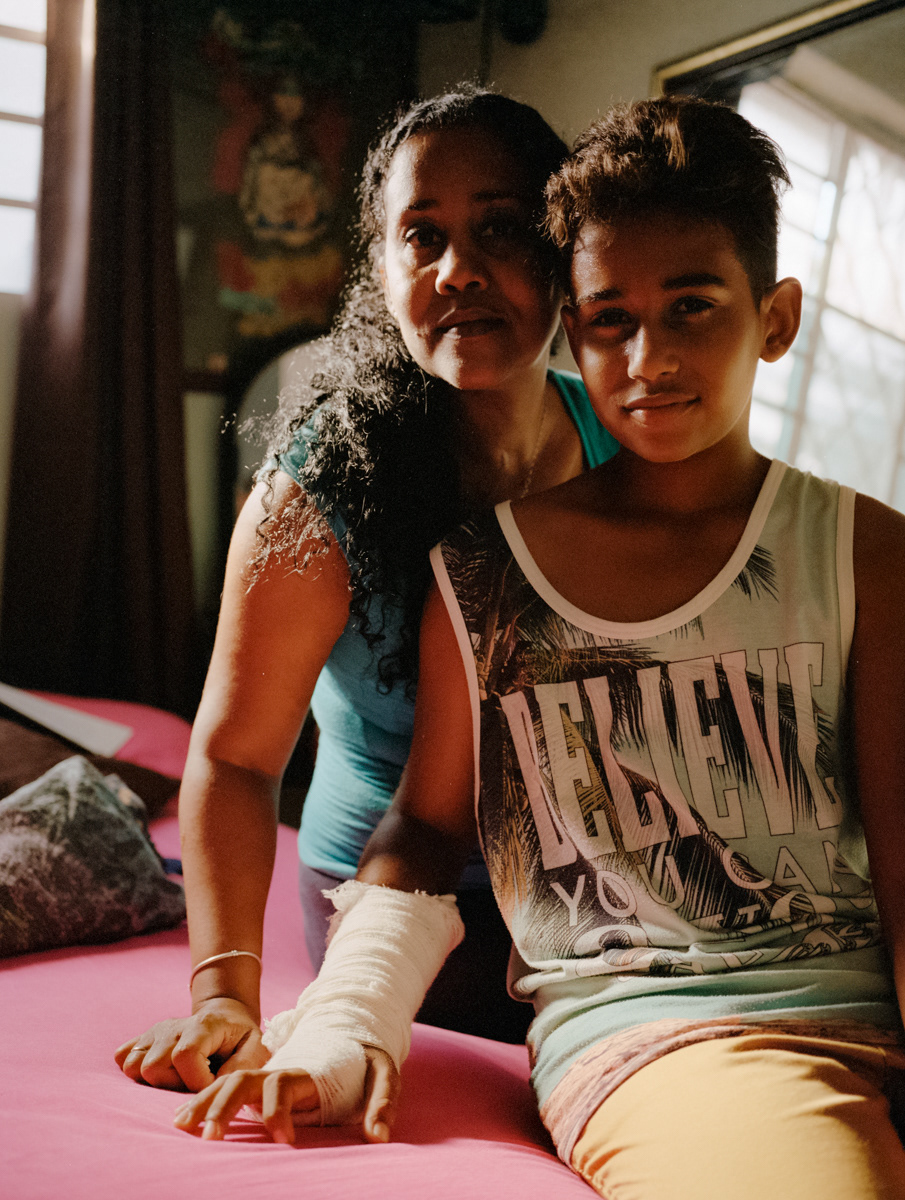
Born in 1980s communist Cuba into an anti-Castro family obsessed with migrating to the US, I grew up feeling rootless. Caught between state indoctrination and family canon, my sense of identity was confused. In a country that controlled almost every image and word we had access to, I couldn't always tell where the state's story ended and mine began. My deepening conviction was that I would find belonging elsewhere.
I left Cuba for Australia in 2014. As I embraced my new home, I reflected on my older one, building a more nuanced understanding.
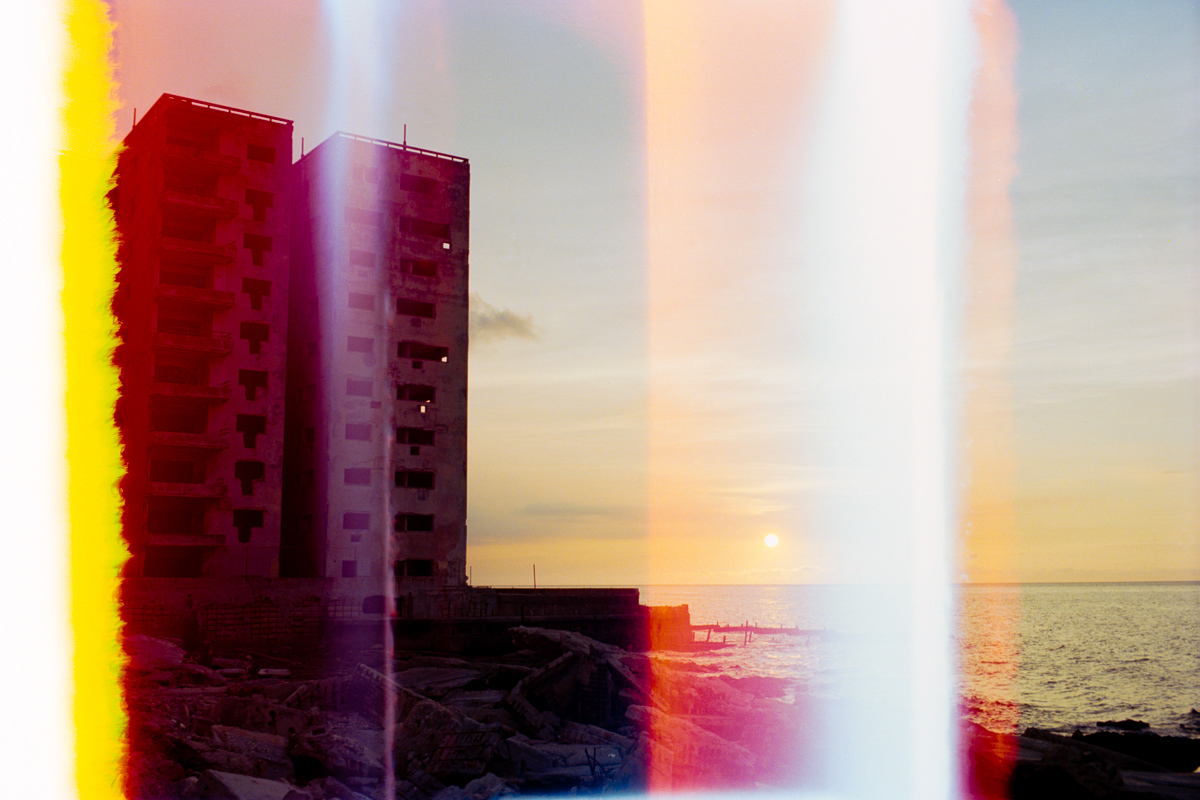
When I eventually returned to Cuba to visit, I found a country that no longer matched the one I'd carried with me. The photographs I made during this return —intended as personal mementos—unexpectedly left me feeling exiled and detached. I had changed and so had Cuba. The country into which I was born is quickly passing into undecipherable memory.
This is a visual journey of my reconciliation with my motherland: My chance to confront my clashing memories, and to acknowledge and reclaim the people and places that made me who I am. Along the way I've come to understand that the border between our personal and collective memory is less defined, more porous, and overlapping more than we care to admit. The two conflicting ideologies I grew up entangled in --my family’s versus the official state narrative--were built from the same raw material, even where they diverged. There was no other supply, no other place to retreat to.
The resulting photos are like a diary ripped apart, pages that don't show the dates of entry, but nevertheless I intend to put together again.